Why choose Care Fertility?
World class fertility care and ground-breaking treatment with life changing results from the UK's leading fertility clinic group. At Care Fertility we deliver truly exceptional patient care, our dedicated teams are on hand to support you at every stage of your fertility journey.
The UK's most trusted fertility clinic
Choosing an IVF provider is a big decision, see what our patients have to say about their fertility journey with us, and see how we could help you.


Introducing Care Value
From just £2,995*, including medication
Affordable and effective IVF Treatment
Available at Birmingham, Cheshire, Liverpool, Manchester, Northampton & Woking.
Speak to our new patient team today on 0808 175 6295
*plus assessment tests






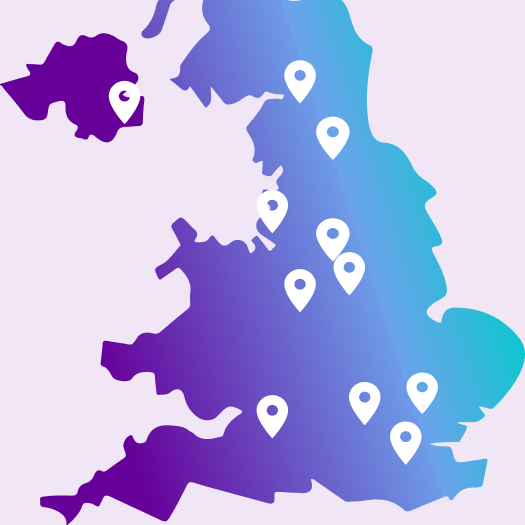
Find an IVF clinic near you
At Care Fertility we deliver truly exceptional patient care, our dedicated teams are on hand to support you at every stage of your fertility journey.