EnFrPl

HomeenTreatments › Egg Freezing
Treatments

Egg Freezing

Female fertility is closely linked to age and egg quality often declines in women after the age of 35 years. Freezing your own eggs when you are younger and still producing high numbers of good quality eggs may give you the possibility to have babies when you are older (typically over 40 years of age)


Who would benefit from egg freezing?

A woman may decide to have her eggs frozen for many reasons including:

• Storing eggs prior to chemotherapy or removal of the ovaries
• Severe endometriosis – a progressive disease that can impair ovarian function
• Family history of early menopause
• Ethical or religious concerns regarding embryo freezing
• Non medical or social reasons
• If no sperm are produced at the time of an IVF treatment cycle, or even, as sometimes happens, more eggs than sperm, are available on the day of IVF


As success rates are significantly influenced by a woman’s age we would only recommend freezing eggs in women under 38 years old.


How successful is egg freezing?

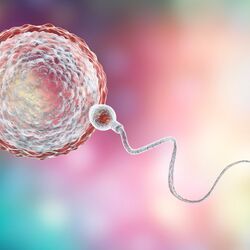
Egg freezing in comparison to embryo freezing is a relatively new technique. The UK national average live birth rate using frozen embryos is around 12%, it is expected that the national average when using frozen thawed eggs will be even lower (Worldwide data indicate the live birth rate with egg freezing to be about10%). This is because eggs are harder to freeze than embryos. Human eggs are the largest cell in the human body and contain a lot of water which must be removed before freezing. If water is not removed from the egg, ice will form during the freeze which will damage the egg. However with advances in freezing techniques such as egg vitrification, recent scientific studies show good survival after thawing between of over 70%.

If you wish to store eggs we would advise that you may need to undertake up to three cycles of egg collection as it is estimated that you will need approximately 30 eggs stored to give yourself a good chance of a later pregnancy.


What are the risks?

Hundreds of health babies have now been born worldwide following egg freezing. Research to date suggests that the risks of miscarriage, fetal abnormality or birth defect are no higher than in conventional IVF or ICSI.
Egg freezing is still a new science and techniques are constantly being optimized to improve success, but it is important to realize that not all eggs survive the freezing thawing process and there are no guarantees that eggs will be suitable for treatment, or that fertilization, embryo development and a pregnancy will occur.


Copyright 2005-2012 CRM London. All Rights Reserved. Web Design by mc-creation.com Ltd

Valid XHTML 1.0 Transitional Valid CSS!